Who Sits Where? How to Navigate Wedding Seating Plan Politics
By Caitlin Hoare
Feuding relatives, exes on the guest list and an uncle who can’t be trusted near the bar – welcome to the wedding table plan. Here’s how to handle the politics of who sits where, keep the peace and still enjoy your day.
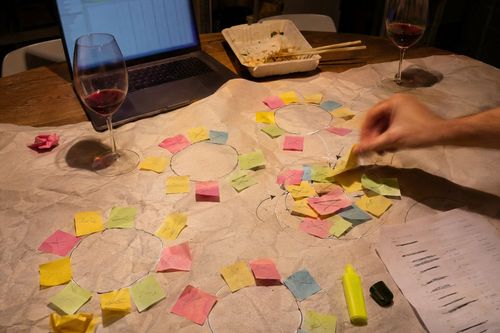
Universally groaned at, and the source of much wedding planning stress, the wedding table plan gets a bad rap, and for good reason. Amidst the joy of announcing your engagement, there’s a secret that nobody is telling you: the wedding planning journey doesn’t just require a creative vision and some serious admin skills – you’ll also need a degree in diplomacy. And nothing on earth is going to get you flexing those diplomatic muscles quite like the wedding table plan!
We're joking; it's really not that bad. Yes, creating a wedding seating chart can honestly feel like you’re in charge of a small, unruly nation of your own. You’ll need to navigate alliances, history, political divides and warring factions, oh and the odd uncle who absolutely cannot be allowed anywhere near the dance floor! But luckily for you, we’re here to help, and with the right strategy (and a bit of humour) you’ll be able to breeze through creating your perfect seating chart and still enjoy your wedding day in one piece!
This guide is all about the people side of things – who sits where, and how to keep the peace while you’re at it. If you’re after the nuts and bolts of table shapes, top tables and room layouts, the ultimate guide to wedding table and seating plans has you covered.
Map Out the Room First
Before we get stuck into the nitty-gritty of who sits where, it’s time to zoom right out and think about your seating layout. Your wedding venue might offer different table shapes and a few standard layouts for you to choose from, so ask them for a sample floor plan to start thinking about how you want your reception layout to flow. Your wedding reception is about more than dinner; the space might also be doubling as your stage, your dance floor, and most importantly, your path to cake!
Think of that floor plan as your map of the negotiating table. Which tables have the best view of the speeches? Which are closest to the speakers, the bar or the loos? Knowing this before you place a single name makes it much easier to give your grandparents a quiet spot, your party-loving mates a table near the dance floor, and that uncle a table well away from it.
Mix or Match? A Little Seating Theory
Once you’ve got a rough layout nailed, you’ll start building your seating plan around one essential starting point: the wedding guest list. The names on your guest list are like the puzzle pieces in the jigsaw that is your seating chart – from your wedding party to close family, to those single guests you want to matchmake.
Let’s talk seating theory for a moment, because yes, it’s a thing. A great seating plan isn’t just about designated seats or checking off table numbers; it’s about pairing people cleverly. This is the part where planning meets psychology, and where the humble wedding seating chart becomes an art form! Some couples like to organise guests by how they know them, making sure family friends, uni mates and work colleagues are sitting with people they know. You might decide you want to mix the table assignments up so all your guests meet someone new, and if you’re hosting multiple wedding events, you can always do a bit of both to get everyone mingling.
Whichever route you take, the golden rule stays the same: every guest should have at least one person at their table they’ll be genuinely happy to chat to.
Escort Cards or Place Cards? Decide How Much Control You Need
The next big question is: assigned seats or a free-for-all? There are pros and cons to both, but for larger weddings, assigned seats can make things feel a bit calmer, preventing last-minute scrambles, and ensuring nobody ends up sitting awkwardly alone. A free-for-all also means leaving all the diplomacy to chance – brave!
You can choose between escort cards, which direct guests to a designated table but leave the choice of seat up to them, or place cards, which designate a specific seat for each guest. Escort cards are the more relaxed option and work beautifully when everyone gets along. Place cards are your secret weapon when you need to make sure two particular people don’t end up elbow to elbow – and nobody needs to know that’s why you chose them!
Who Sits Where: Handling the Tricky Guests
Every family has its quirks, and your seating plan is where they all come out to play. Here’s how to handle the usual suspects.
Feuding Relatives
If two relatives can’t be in the same room without a cold war breaking out, the answer is distance, not exile. Seat them at different tables, ideally not facing each other across the room and not on the same route to the bar. Resist the urge to banish one of them to the back corner, though – a table next to the kitchen doors is its own kind of insult! Instead, surround each of them with their favourite people, so they’re having far too much fun to notice who’s across the room. And if things are really frosty, give your wedding planner or a trusted usher a quiet heads-up.
Divorced Parents and Blended Families
How you seat divorced or separated parents depends entirely on how amicable things are. If they get on well, a shared table near the front can work perfectly. If not, give each parent their own table of equal standing – a similar distance from the top table and a similar view of the speeches – along with their partners and the people they’re closest to. The key is that nobody feels demoted. When in doubt, ask each of them privately what would make them most comfortable; it’s a small gesture that can go a very long way.
Exes
Whether it’s your ex, your partner’s ex or two guests who used to be an item, the same rule applies: different tables, out of each other’s direct line of sight, and ideally each with a few friendly faces for moral support. Your wedding is not the place for a forced reunion!
Plus-Ones and Guests Who Don’t Know Anyone
Always seat plus-ones with the person who brought them – separating a couple who only know each other is a sure-fire way to make someone miserable. For solo guests, or plus-ones you’ve never met, pop them on a table with your chattiest, most welcoming friends rather than squeezing them onto whichever table has a spare seat. And if you’re tempted to play matchmaker with your single friends, go for it – just keep it subtle. Nobody wants to discover they’ve been seated at “the singles table”!
When Guests (and Parents) Make Seating Requests
Brace yourself: as soon as word gets out that you’re working on the table plan, the requests will start rolling in. “Can I sit with my cousin?” “Please don’t put me near Brian.” “Great Aunt June simply has to be at the front.”
Before you say yes to anything, agree as a couple on what you’re happy to accommodate. Genuine needs like mobility, health or a recent falling-out are worth taking on board; personal preferences, less so. If you need to say no, keep it kind and simple: “We’ve thought really carefully about the tables so everyone’s with people they’ll enjoy – we hope you love it!”
And if parents (especially those contributing to the wedding) want a say, navigating family expectations is all about finding a middle ground. Maybe they get to arrange a family table or two, while the overall plan stays firmly in your hands.
Get Some Backup
Creating your seating plan is one area where a wedding planner is truly worth their weight in gold. If you’re working with one, ask whether they have a wedding seating chart template or a preferred seating chart tool they like to use. They are pros at knowing exactly what works for visibility, comfort and access, and will know how much space to allow in the table configurations to make room for the dance floor and Auntie Margaret’s mobility scooter. They’ve also seen just about every family drama going, so don’t be shy about asking for their advice on the tricky bits.
When all your guests have RSVP’d, and you think your table plan is finalised, it's a good idea to give it one more read-through together to make sure there are no clashes or awkward placements. You could even run through it with a few loved ones to ask if the tables make sense and whether they’d swap anyone – it pays to have a fresh perspective on things sometimes! Just choose your advisers wisely: ideally people who know the family politics, but aren’t part of them.
Plan for Last-Minute Changes
Even the most carefully negotiated seating plan will need a tweak or two. Guests drop out, surprise plus-ones appear, and someone always RSVPs the week before. If you anticipate a few late RSVPs, you can leave one table slightly more flexible for your emergency “floaters”.
This is also where going digital really pays off. If you’re a tech-lover, then choosing a wedding website with a seating chart tool means that you can easily create a wedding seating plan digitally. Look for one that syncs your guest list and RSVPs with your seating plan, so you can drag and drop names onto tables and move them around until you're happy with the layout – no rubbing out and starting again every time someone changes their mind.
Table Names: Your Secret Diplomacy Weapon
Once you’re happy with your seating chart, you’re finally on to the fun bit - getting creative! And here’s a little trick: swapping table numbers for table names is a great way to avoid an unspoken pecking order. Nobody wants to be sat on Table 14 wondering what Table 1 did to deserve it, but everyone’s happy to be on “Lisbon” or “Notting Hill”.
When it comes to conveying seating arrangements to your guests, it’s all about choosing something that’s in keeping with your wedding style, or that nods to your personal history. Your table names could be significant places in the city where you first met, places you’ve travelled to together, or your favourite films; you can really have some fun with this!
Though it might be tempting to create a complicated seating chart display to wow your guests, in our experience, the best seating charts are simple and easy to read. You want guests to be able to identify their table quickly and easily, rather than having to stand and puzzle it out, as that’s a recipe for a bottleneck situation.
Don’t Let Your Table Plan Stress You Out
If you’re still feeling stressed, then take a deep breath. This isn’t about perfection, it’s about good intentions. Your special day isn’t going to get ruined by a glitch in the seating chart; as long as everyone has a seat, you’re all good!