The Pros And Cons Of Sending Digital vs Paper Wedding Invites and Save the Dates
By Caitlin Hoare
Digital or traditional? When it comes to save the dates, modern couples have more options than ever before – and while digital might be the easier route, it’s not always the obvious choice for everyone. Whether you're trying to simplify the process, reduce costs, or just keep the eco-conscious vibes flowing, it's worth weighing up the pros and cons before committing. In this guide, we break down everything you need to know about sending digital save the dates (and how they stack up against printed ones), so you can make the right call for your wedding, your guests, and your inbox.
The wedding planning process can be all-consuming at times, and if you’re feeling on the brink of planning fatigue, then you’re not alone. As if choosing your dress, finding the perfect venue and locking in the wedding date weren’t enough, you’ve also got to whittle down your guest list to an acceptable number, and then decide how exactly to go about inviting them. Because whatever size wedding you’re having - whether you’re planning a huge celebration or a micro wedding - one task is unavoidable, and that’s letting your loved ones know that you’re getting married!
When it comes to sending out save the dates for your event, you basically have two options: opting for traditional postal save the dates or, like many modern couples, choosing to send them digitally. Whilst there is no right or wrong here, it’s always good to understand the pros and cons when making a decision like this. If you're feeling a bit confused or overwhelmed with all the choices you're having to make, then read on for our helpful guide to the pros and cons of digital save the dates.
Digital Wedding Invitations 101
Here at Say I do, we could wax lyrical about the benefits of digital wedding invitations and save the dates ‘til the cows come home. But before we get stuck into what's so great about them (and what isn't), what exactly is the deal with digital invitations, and how do they compare to their paper counterpart?
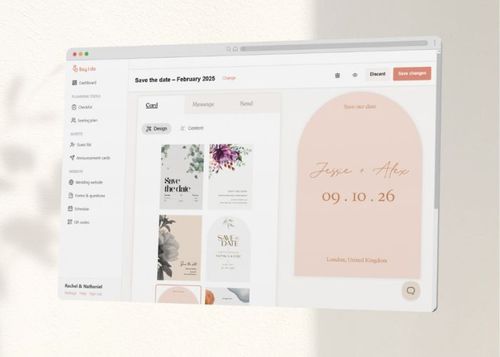
Every Say I do wedding website comes with a fully integrated digital wedding invitation suite, with a variety of customisation options available to you. This means that, unlike a paper stationery suite, you can compile your guest list, design and send your save the dates and invites, and track your RSVPs all in one convenient online hub. You might be wondering why you’d choose traditional paper invites when digital invitations seem so easy, but as with everything in life, there are pros and cons, so let’s dig into them!
Electronic Save The Dates
Pros: Quick and easy: Choose a template to match the vibe of your wedding, then customise and send your save the dates and electronic invitations in a few short clicks. Cost-effective: Going digital means you can say goodbye to the cost of printing, envelopes and postage. Eco-friendly: No paper means no trees being cut down, which, when combined with the smaller carbon footprint of paperless post, makes digital invites and save the dates a much more eco-friendly option.
Cons: Less personal: There’s no denying that sending save the dates by email can seem a bit impersonal in comparison to printed ones. Getting lost: When sending an e-vite or digital save the date, you’re at the mercy of overzealous spam filters, meaning there's a small chance that your emails might bypass your guests' inboxes altogether. Less inclusive: Though most people have access to email nowadays, not all guests are tech-savvy. You may still have some older guests who lack the knowledge or ability to receive a digital invitation or navigate the online RSVP process.
Printed Save The Dates
Pros: Physical Mememto: For your more sentimental friends and family, a physical card save-the-date and invitation might be a treasured keepsake. No obstacles: Unless there’s a postal strike, a printed save-the-date is most likely going to arrive at its destination within a couple of days - there are no spam folders when it comes to snail mail. Different finishes: There is a wide array of design options available to you when it comes to printed save the dates, including letterpress printing, foiling, various card weights and even wax seals if you're feeling really fancy. These kinds of design choices can leave a lasting impression and give a first glimpse of what to expect from your wedding day.
Cons: Time-consuming: As well as stuffing and addressing envelopes, you’ll also need to collect everyone’s postal addresses (usually via email or WhatsApp, by which time you may as well have sent them a digital save the date). Higher cost: Whether you design your own save the dates or pay someone to do it, there’s no escaping the printing and postage costs involved with printed invitations. Carbon footprint: Unlike their digital counterparts, paper invitations have a much bigger environmental impact. Whilst you can mitigate this slightly by using recycled paper or card, postal delivery itself has a bigger carbon footprint.
Digital Invitations Vs. Printed Wedding Invitations
Ultimately, the choice between digital and printed wedding stationery is hugely personal, and one that will be influenced by all kinds of factors, from your personal values to the amount of wedding budget you want to allocate to it. If you’re looking for a cost-effective, easy, eco-friendly way to let your guests know that you’re getting married, then sending digital save the dates is a no-brainer; if, on the other hand you’re more of a traditionalist with a guest list that’s heavily weighted towards the older generations, you might find that paper save the dates are the right option for you.
The great news is that whether you decide to send printed invites or digital ones, you can let your wedding website do the heavy lifting when it comes to the RSVP process for your big day - by including a custom URL or QR code, even physical invitations can be nudged into the digital age!
Remember, though the wedding world is full of “etiquette”, there are no hard and fast rules, so you don’t have to choose between being paper purists or tech zealots. The most important thing is that you get the word out about your special day in a timely manner so that your guests can book accommodation, make travel plans and arrange childcare. If this means doing a combination of physical save-the-dates and online wedding invitations, or vice versa, then just do what works for you!