How to Plan a Multicultural Wedding That Reflects You Both
By Caitlin Hoare
Blending two cultures into one celebration is no small feat, but when done with care and intention, it can be one of the most meaningful parts of your wedding day. From choosing which traditions to include, to honouring your families while staying true to your own love story, multicultural wedding planning is all about balance. Whether you're planning one ceremony or two, navigating different customs, or just trying to avoid overwhelming yourselves (and your guests!), this guide will help you plan a celebration that feels beautifully, authentically you.
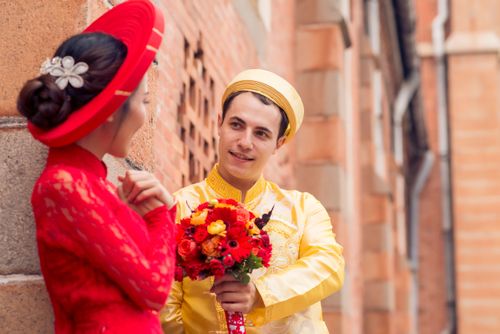
Planning a wedding is a big enough deal when you come from the same culture as your partner, but planning a wedding that blends two different cultural backgrounds? That’s next level! A multicultural wedding is a wonderful way to celebrate your heritage, your families and of course, your love story.
If you're at the start of your multicultural wedding planning process, it might feel tempting to try to tick every single wedding tradition off a checklist - but that's a recipe for chaos! We're here to help you plan a unique event that pays homage to where you've come from whilst celebrating where you're headed.
Talk through your cultural traditions
Before you dive into colour palettes or catering menus, it’s time to sit down and talk. Talk about what you want, but also why you want it. Which traditions feel important to you, and are there any that are non-negotiable? Perhaps there are some that you’d love to include, but need to tweak a bit to make them feel authentic?
These conversations don’t have to be just between the two of you, either - if family is important in your cultures (and let’s face it, in many it is), then get them involved. Sometimes what you think of as key traditions might not actually be a big deal to your parents or grandparents, and sometimes something seemingly insignificant could be incredibly meaningful to them. Having these chats nice and early ensures everyone is on the same page and can help to avoid any disappointment down the line.
Finding common ground between different cultures
There are bound to be some cultural differences in this situation, but there are often more overlaps than you might have expected. Maybe a big family feast is traditional for both of you, or you both have symbolic clothing, or specific blessings. Perhaps song, dance or traditional music plays a big part in the two cultures.
Keep your eyes peeled for those similarities and use them as a starting point. Not only does this make the planning smoother, it also helps weave your traditions together in a way that feels natural instead of like a cultural tug-of-war.
Decide on your ceremony program
This is one of the biggest questions in a multicultural wedding - do you have one interfaith wedding ceremony that blends both cultures, or two separate ones? There’s no right answer here, but there are some things to consider.
One fusion wedding ceremony: If your officiant knows how to balance diverse traditions and is confident explaining them to guests, then a blended multicultural wedding ceremony can be incredibly moving. Not only is an interfaith ceremony symbolic of the joining of your two cultures, but it keeps the flow of the day seamless and means you don’t have to repeat your wedding vows twice.
Two separate ceremonies: If you’re having a weekend celebration, then two separate ceremonies could be the right choice for you, but there aren’t any rules about having them back-to-back on the same day if you want. Having two ceremonies allows each culture’s rituals to be honoured fully, but it does mean more logistics, more planning, and potentially more cost.
To help you come to a decision, talk things over with your families and think about what’s most important to you both. It’s also worth considering how much time you have, and what your guests will enjoy and understand.
Choose the right wedding vendors
Not everyone has experience with multicultural weddings, and that’s ok. Some couples might want to work solely with vendors who have experience with multicultural celebrations, whereas others are happy with suppliers who are open, curious, and willing to learn.
Ask potential vendors if they’ve worked on multicultural weddings before, or if they’d be happy to research the customs you want to include. There are some vendors where this probably doesn’t matter quite so much, but for others, like your wedding photographer or videographer, knowing the traditions and being able to anticipate when key moments are coming up is super important!
If you’re thinking of blending complex traditions, consider hiring a wedding planner with experience in this kind of event. They’ll already know how to navigate different customs, timelines, and etiquette, and should be able to give you lots of multicultural wedding planning advice!
Think about your guests’ experience
Whilst a multicultural wedding can be a wonderful experience for guests, it can also be confusing if they don’t understand what’s happening. Whether that’s down to a language barrier or just being unfamiliar with the traditions, giving your guests a helping hand will mean that they feel included.
You could add explanations in your wedding program, have your celebrant briefly describe the meaning behind rituals, or even include a page on your wedding website that outlines what guests can expect from each part of your day.
Using food to bridge the gap
If you’re looking for a way to bridge cultures with zero effort, then your wedding food is your secret weapon! Serving special dishes from both your backgrounds not only honours your cultural heritage, but also gives your guests a tangible taste of your worlds coming together. Bonus points if they’re old family recipes!
Whether you go for a fusion menu, with exciting combinations of flavours and styles, or keep things a bit more traditional with separate dishes from each culture, your friends and family are sure to be happy! You could even add a little note on the menu explaining what each dish means to you.
Keep the meaningful, let go of the rest
When you’re organising an event like this, it can be tempting to try to do it all - you might catch yourself trying to cram in every single tradition - and that’s totally normal! It can be hard to know when to draw the line, but saying yes to everything doesn’t just make for an overcrowded wedding day; it’s also exhausting!
A multicultural wedding works best when you zone in on a few cultural elements that truly matter to you both. Ask yourselves, “Would we miss this if it wasn’t included?”, and if the answer is no, let it go. That way, each part of your day has meaning, instead of it being one long list of obligations and traditions that you’re blindly following.
Expect the unexpected
In the course of any wedding day, there’s always going to be a little bit of unpredictability, but when you’re blending cultures, maybe even more so! Whether it’s your uncle singing a traditional song, or your granny whipping out her version of your wedding cake, it’s always worth building in a bit of buffer time to your wedding events so that you can take a deep breath and take it in your stride!
Remember, unless you’re three hours late sitting down to eat, your guests probably aren’t going to notice if you stray from your timeline - they’re there to celebrate you. A little flexibility can make the difference between feeling stressed and feeling joyful!
A multicultural wedding isn’t about perfectly blending traditions - it’s about bringing together your two families and adding your own ingredients to create a deeply personal celebration that reflects your unique relationship.
It's about following up the Jewish glass breaking with a Chinese tea ceremony, or changing out of your white wedding dress into traditional attire for your Indian wedding ceremony. It’s unforgettable moments like seeing your family members being dragged onto the dance floor for a traditional dance, and the feeling of connection that comes from sharing food together.
When you strip it all back, that’s the beauty of a multicultural wedding - it’s all about connection and unity. And that’s something everyone can celebrate!